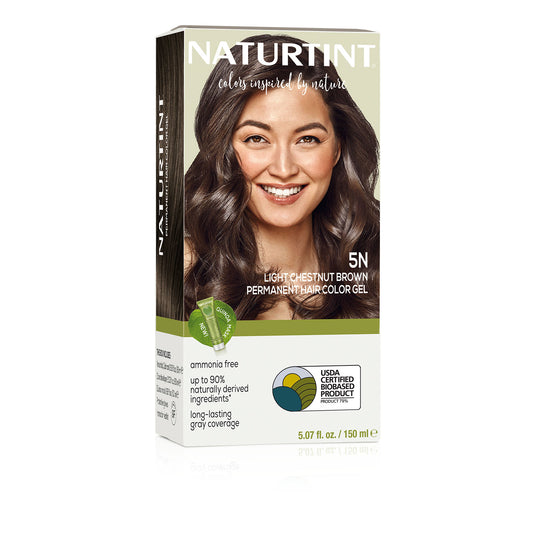
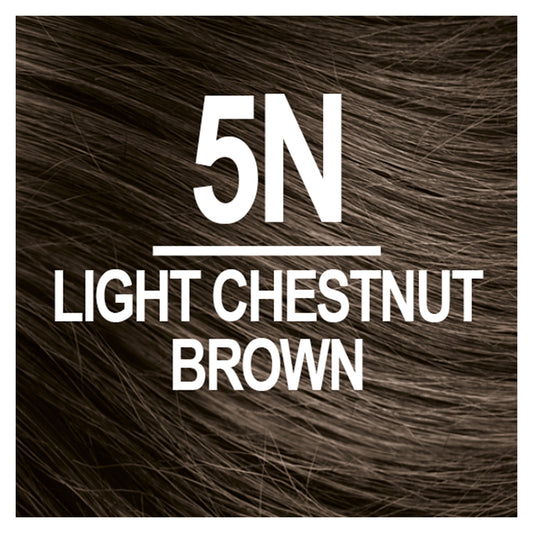
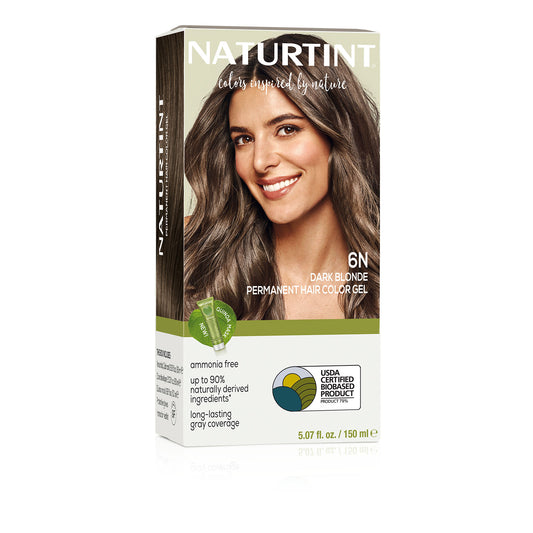
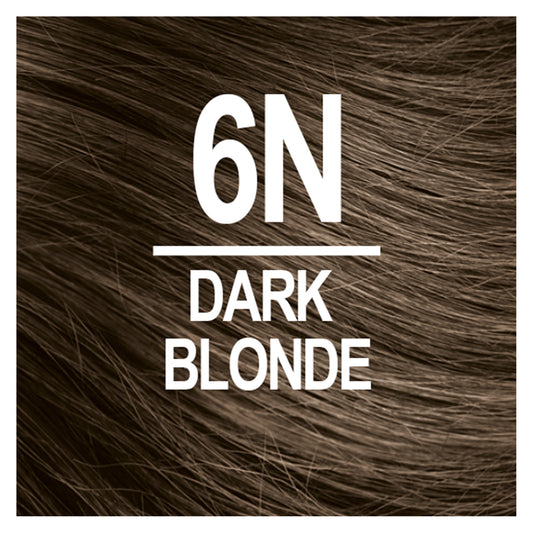
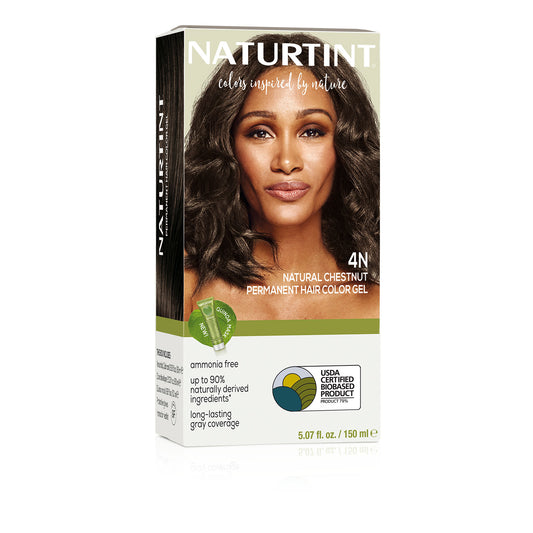
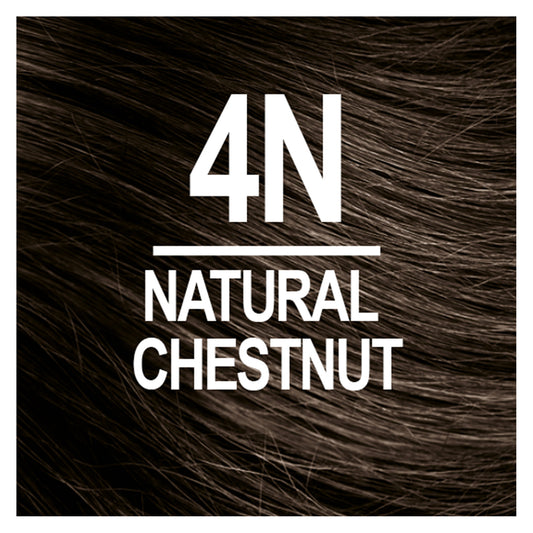
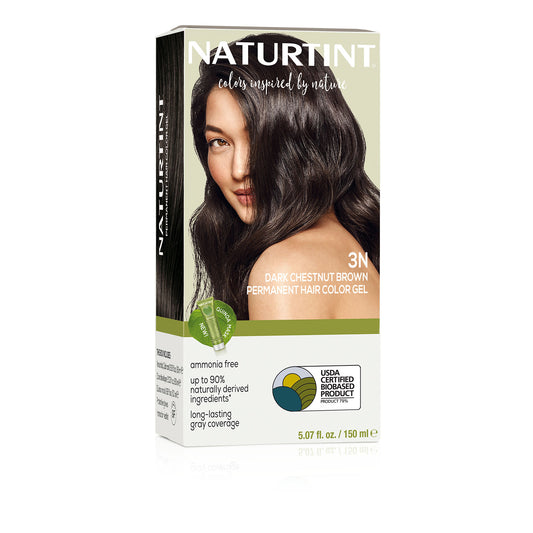
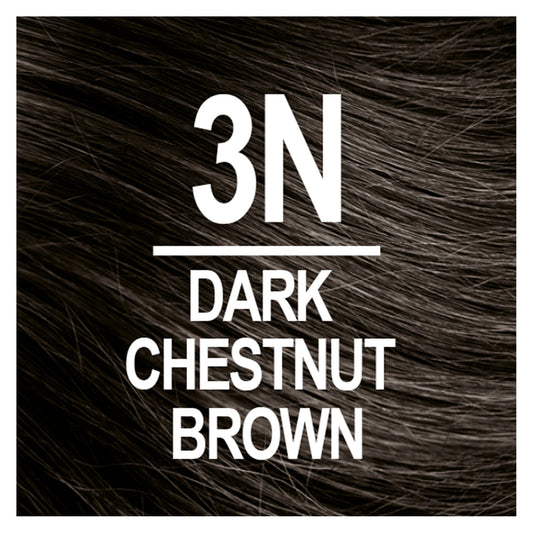
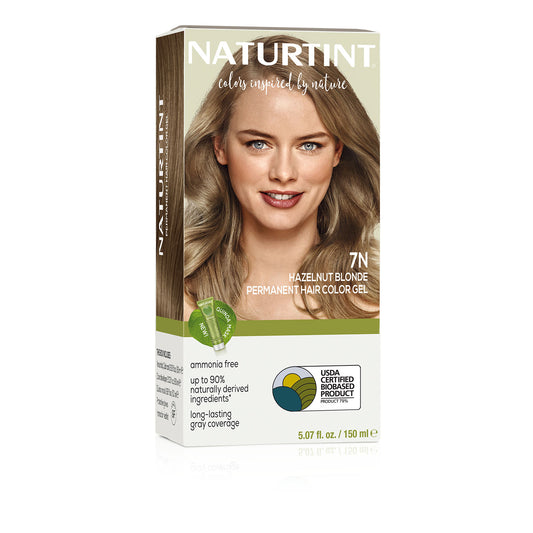
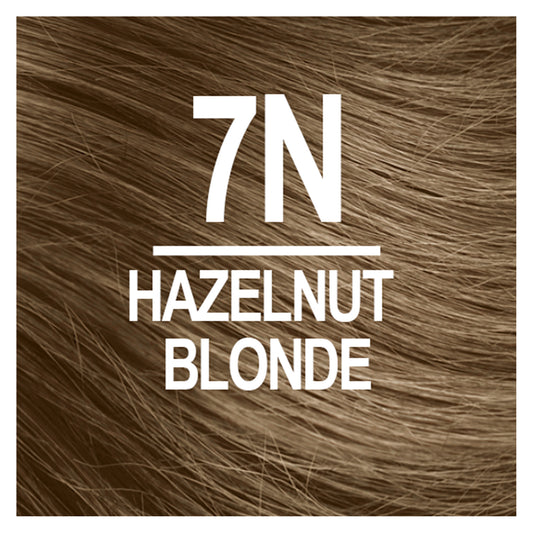
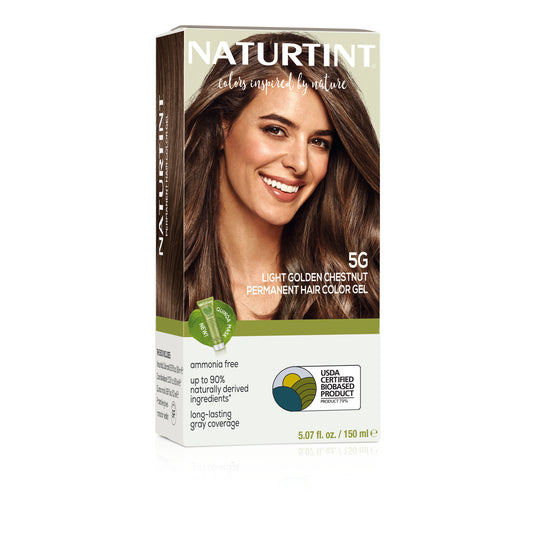
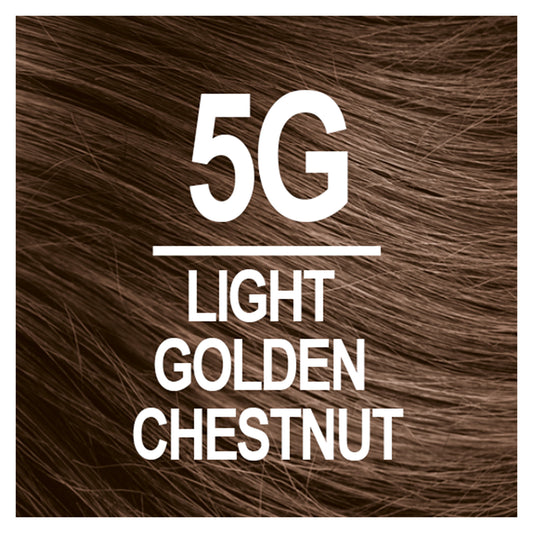
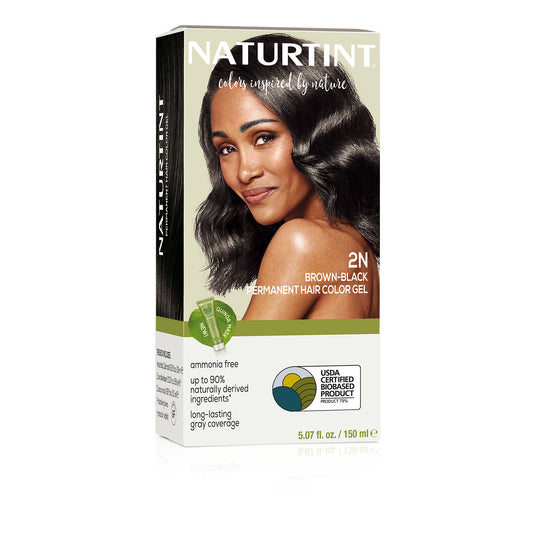
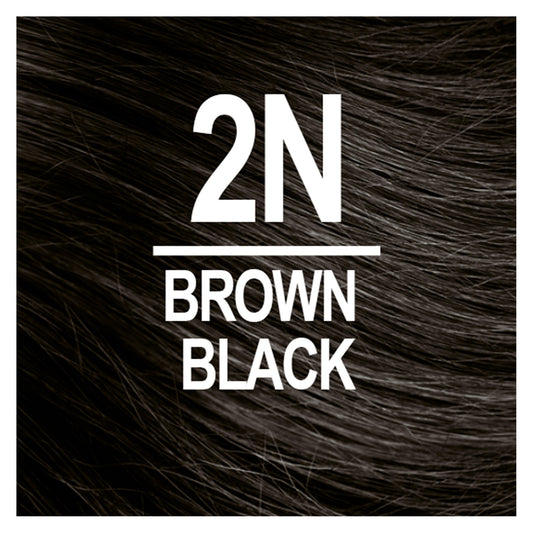
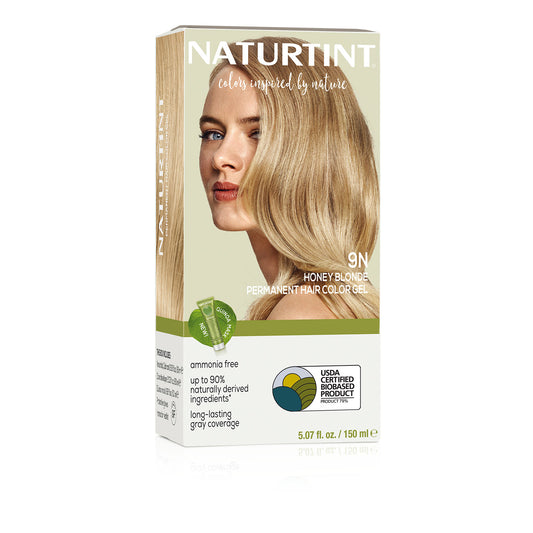
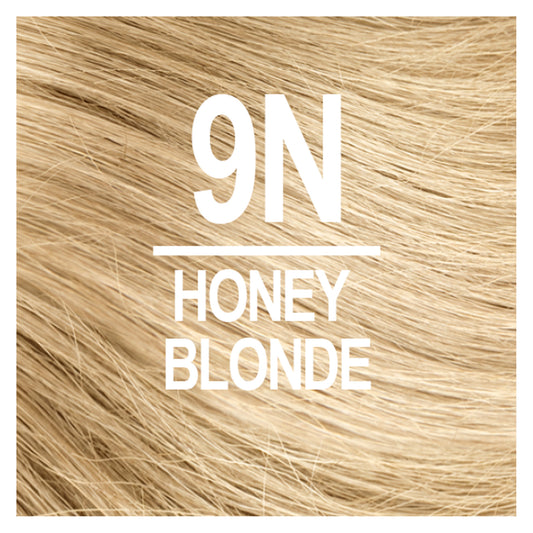
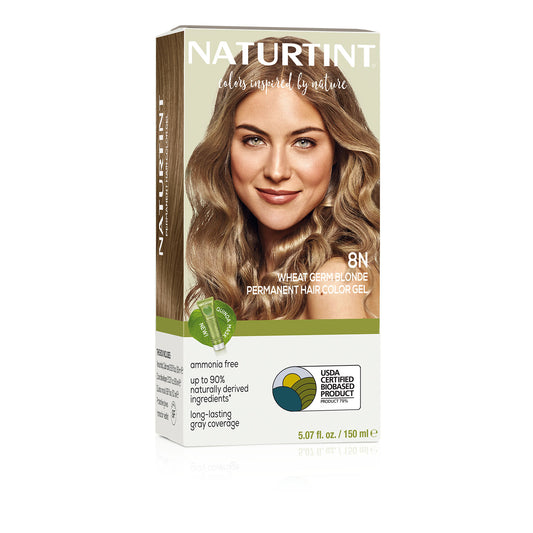
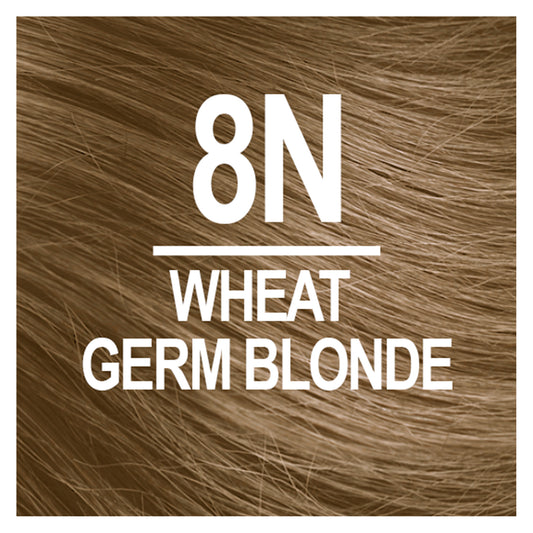
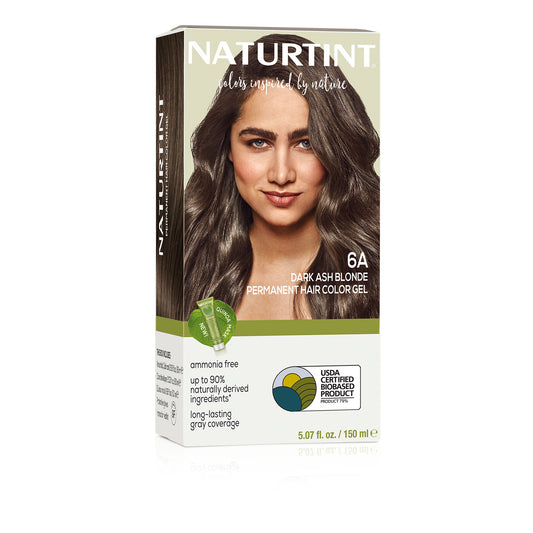
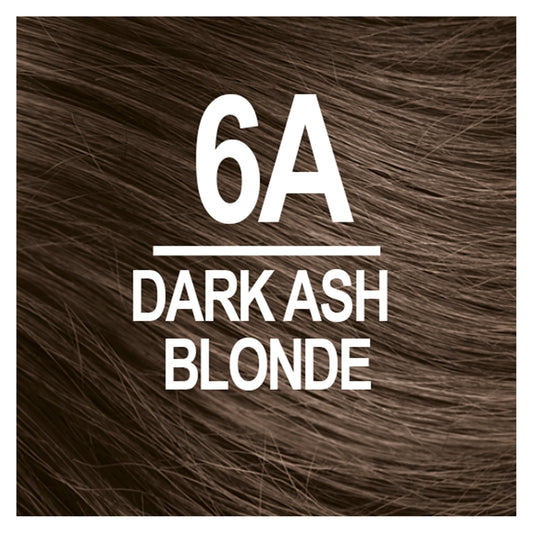
If you have ever felt stuck between two hair colors or wanted the color of an N tone and red neutralizing benefits of an A tone, mixing shades may be the solution for you. Blending hair colors allows you to fine-tune your look so it feels more natural and personal. Whether you want to adjust warmth, soften a tone, or create something completely uniquely you, a little planning can go a long way.
Before you start, there are a few important guidelines to follow to help your custom color turn out the way you expect.
Related: How to Apply Permanent Hair Color at Home
A few general reminders
Before you begin coloring, be sure to follow these two steps:
Do a hair strand test
Always perform a hair strand test before coloring. This is a great way to get a sneak peek of the color before coloring all of your hair and will also help you avoid undesirable results. Keep in mind you will need to mix the small amount of color for the strand test in the same ratio that you are using for the all over color. For a step by step walk through on how to do a hair strand test, check out our blog post here.
Mix and go!
Be sure to apply your hair color immediately after you mix it! What’s the rush? Once you mix them together, the product(s) will only keep for about an hour until it’s no longer at its maximum coloring effectiveness.
Tips for mixing shades
To make sure you end up with the results you’re hoping for, we’re sharing our favorite guidelines for mixing shades below.
Maintain a 1:1 ratio of colorant and developer
You should always aim to maintain a 1:1 ratio of colorant and developer to ensure full color activation. This is especially important when you mix colors, as the developer frequently differs between kits! For example, if you mix one-third 6N and two-thirds 9R, you’ll need to add one-third of the 6N developer and two-thirds of the 9R developer.
Accurately measure portions
To measure and mix colors, we suggest that you use a plastic or glass container that measures in milliliters. Like we mentioned above, it’s important that you stick to the manufacturer’s recommended 1:1 ratio of colorant and developer. To get the most accurate measurements, try our Home Hair Coloring Kit, a 6-piece kit that comes with measuring cup, mixing bowl and everything else you need to color your hair from home. Don’t skip this tip! If you guess on the proportions, the results may not be what you want or expect!
One time use only
Each kit is intended for a single treatment. However, you can save unmixed portions only if they stay unmixed in their original bottles and you use them during your next coloring. Once you open the product and it is exposed to oxygen, it begins to degrade and is less effective at coloring your hair.
Get the most out of your developer
Did you know that the color developer can sometimes stick to the inside of the bottle? So, to ensure that you get the full contents, store the developer upside down before you use it (lid on, of course!). Another way to maximize the amount of color developer is to use a small rubber spatula to scrape the bottle.
Important: don’t use metal or ceramic to mix your color as these could cause the product to oxidize and change colors!
How to mix hair colors: remember these color rules
If you follow these color suggestions, we have no doubt that you’ll end up with beautiful results!
Use Natural (N) tones for gray coverage
Natural (N) shades provide a balance of warm and cool to create a neutral tone. N shades are best for covering high percentage or stubborn gray or whites as opposed to colors like reds and golds. And, they work well as a base for combining with other colors. Remember, you can mix colors in any proportion as long you maintain a 1:1 ratio with the specified developer.
Ash (A) & gold (G) shades
Cool Ash tones can dampen the shine of warm tones, which can make the color appear muddy. Therefore, we don’t recommend this combination. This holds true for any warm shade – gold, copper, mahogany, red or chocolate mixed with ash tones. Always avoid mixing colors that are the opposite of each other. If you are looking to reduce the appearance of brassiness, you can try mixing an Ash tone with a corresponding N tone.
Check out our Color Chart to learn what all of the color tones mean!
The final reveal
Since you’ve learned how to mix hair colors and the secrets to achieving beautiful results, we have no doubt that you’ll create a look that’s uniquely you! Whether you’re looking to slightly change your hair color or really switch it up, you can be confident that you can mix hair colors and get great results!
Now, the fun part (shopping) starts! Browse our selection of permanent hair colors and start planning your perfect look today!